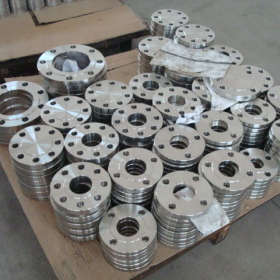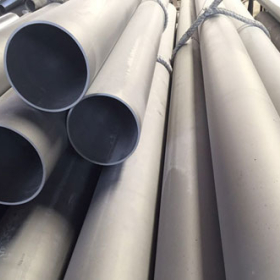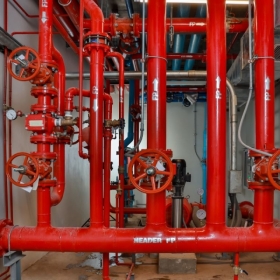
In industrial fire protection systems (Firefighting Systems), components such as steel pipes, flanges, and pipe fittings play a vital role. They are not only critical to the durability and pressure resistance of the system but also directly impact operational safety and performance under emergency conditions. Choosing the right materials according to applicable standards is essential for industrial projects, especially factories, warehouses, industrial parks, and high-rise buildings.
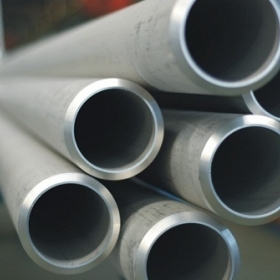
In today’s industrial landscape—especially in large-scale projects such as petrochemical plants, power plants, LNG terminals, and offshore facilities—the selection of piping materials goes far beyond cost considerations. Instead, the origin and quality of materials play a critical role. Among them, steel pipes, flanges, and pipe fittings originating from Korea, Japan, and the European Union (EU) have become the top choice for EPC contractors and project developers worldwide.
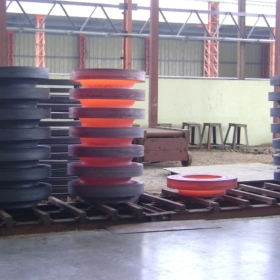
In the piping industry, especially in high-pressure systems and projects requiring strict technical specifications, selecting the appropriate type of flange is a critical factor influencing overall quality, durability, and operational safety. Two common types of flanges are forged steel flanges and machined steel flanges. While both serve the same basic function of connecting pipe systems, they differ significantly in manufacturing processes, material structure, and technical reliability.
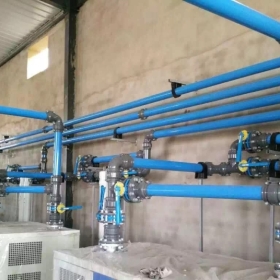
Compressed air systems are indispensable in various industrial sectors such as manufacturing, food processing, electronics, textiles, woodworking, and more. Among the many components in a compressed air system, piping plays a critical role in overall performance, safety, and system lifespan.
Selecting the right steel pipe for compressed air systems is not just about diameter or wall thickness. It requires understanding technical requirements, working environment, pressure levels, and safety standards.
In this article, Sunjin Metals Vina (SJM Vina) – a leading supplier of industrial piping materials in Vietnam – shares key technical considerations to help you choose the most suitable steel pipe for your compressed air system.
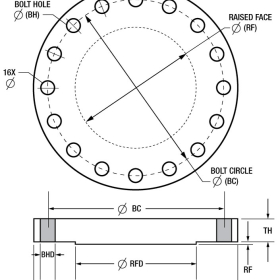
In industrial piping systems, selecting the correct flange dimensions is essential to ensure accurate alignment, leak prevention, and safe operation. However, different regions and industries use different standards – the most common being JIS (Japan), ANSI (USA), and DIN (Europe).
In this article, Sunjin Metals Vina (SJM Vina) will guide you through the differences between flange standards and how to read standard dimension charts correctly.
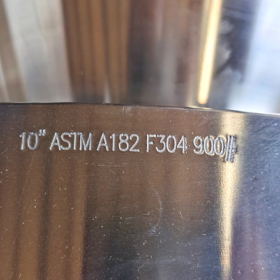
Steel flanges are essential components in industrial piping systems. To select the correct flange for each application, users must understand the markings engraved or stamped on the flange surface. These markings indicate technical specifications such as standard, material, size, pressure rating, and other critical data.
Sunjin Metals Vina (SJM Vina) will guide you through the most common flange markings and how to read them properly for safe and effective usage.