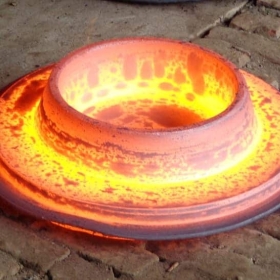
Forged flanges and cast flanges are two widely used types of steel flanges in industrial piping systems. Each type is produced through different manufacturing processes, leading to distinct structural characteristics, mechanical properties, and performance in specific working conditions. Understanding their differences is essential for selecting the right flange for your project, ensuring safety, durability, and cost efficiency.
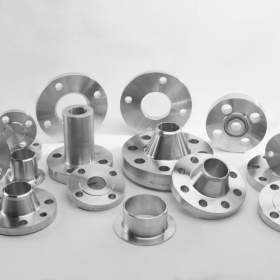
In piping systems, stainless steel flanges play a crucial role in connecting pipelines, especially in environments requiring high corrosion resistance and the ability to withstand significant pressure. With inherent advantages such as resistance to rust, excellent durability, and strong structural rigidity, stainless steel flanges are widely used in industrial projects. However, to ensure optimal performance and extend service life, correct installation and regular maintenance are essential.
This in-depth guide will provide technical instructions for installation and daily maintenance of stainless steel flanges, ensuring that your pipeline systems operate safely, stably, and efficiently.
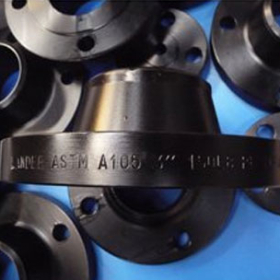
When selecting flanges for piping systems, especially in critical applications such as oil & gas, petrochemicals, shipbuilding, or water treatment plants, adherence to internationally recognized standards is essential to ensure safety, performance, and compatibility. Among the most widely used global specifications, ASTM (American Society for Testing and Materials) standards provide a comprehensive framework for materials, dimensions, mechanical properties, and testing requirements for both carbon steel and stainless steel flanges.
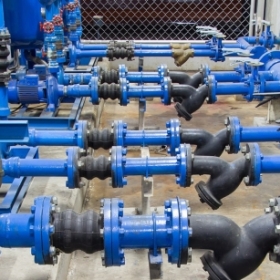
Chiller systems are the “heart” of many industrial and commercial applications such as manufacturing plants, shopping malls, office buildings, and hospitals. For these systems to operate efficiently and reliably, selecting the right piping materials is a critical factor. In this article, Sunjin Metals Vina (SJM Vina) shares professional yet easy-to-understand guidance on how to choose suitable piping materials for chiller systems, including practical examples.
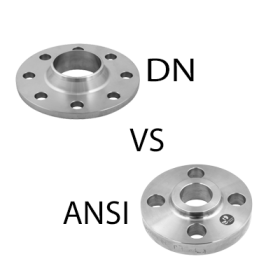
In industrial piping systems, flanges are critical components for connecting pipes, valves, pumps, and other equipment. Two of the most widely recognized flange standards globally are DIN (Deutsches Institut für Normung – German Institute for Standardization) and ANSI (American National Standards Institute). Although both serve the same fundamental purpose, they differ significantly in terms of design standards, dimensions, pressure ratings, and application fields. Understanding these differences is essential for selecting the correct flange type to ensure safety, performance, and compatibility in your piping systems.
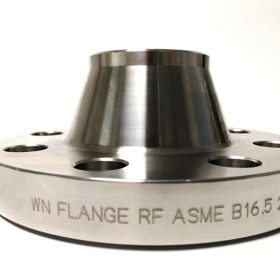
In piping engineering, selecting the right type of flange plays a critical role in ensuring the safety, durability, and performance of an entire system. Among the various types of flanges, Welding Neck Flanges (WN Flanges) are considered the superior choice for applications requiring high-pressure resistance, extreme temperature conditions, and mechanical strength.
Material selection is a critical factor in the design and operation of oil and gas infrastructure. From exploration and drilling to processing and transportation, every stage of the oil and gas lifecycle demands materials that can withstand extreme conditions such as high pressure, corrosive environments, and temperature fluctuations. The right material ensures not only safety and durability but also contributes significantly to the long-term performance and cost-efficiency of the system.
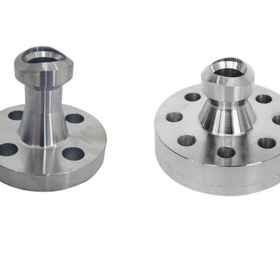
In industrial piping systems, beyond the common flange types, there exists a group of “special flanges” designed for highly specific technical applications. These flanges are less commonly encountered but are critically important in systems that operate under demanding pressure, temperature, or measurement requirements. They are typically found in sectors such as oil & gas, chemical processing, power generation, marine engineering, and high-spec industrial facilities.
Below is an overview of the key special flanges used in industrial piping systems.