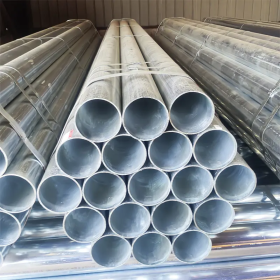
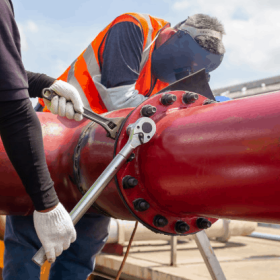
Flange bolting plays a critical role in ensuring the integrity of piping systems. Improper installation is the most common cause of leaking joints, which can lead to costly downtime, safety risks, and operational inefficiencies. At Sunjin Metals Vina (SJM Vina), we provide Korean-origin steel pipes, flanges, and fittings for industrial projects, and we emphasize that proper flange bolting procedures must always be followed. Below is a comprehensive guide to the correct procedure for flange bolting.
In industrial piping systems, international standards ensure consistency, safety, and compatibility for flange connections. One of the most widely adopted European flange standards is EN 1092. This standard defines the dimensions, tolerances, pressure ratings, and surface finishes for various flange types used in industrial pipelines across the European Union (EU) and beyond.
This article provides a comprehensive explanation of the EN 1092 flange standard, the types of flanges it encompasses, and its significance in today’s engineering and manufacturing industries.
Sunjin Metals Vina (SJM Vina), is a trusted supplier of high-quality steel pipes, flanges, and fittings sourced from South Korea and other countries, fully compliant with international standards.
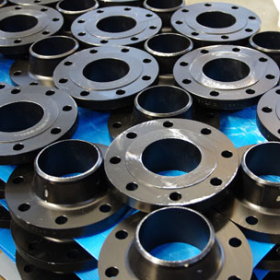
In piping systems and industrial connections, selecting the appropriate flange type is critical to ensure leak-proof, pressure-resistant, and structurally sound joints. One of the key considerations in flange selection is the flange facing type. The two most common facing types are Raised Face (RF) and Flat Face (FF) flanges.
Understanding the differences between Raised Face and Flat Face flanges is essential for engineers, procurement teams, and maintenance professionals. This article provides a detailed explanation of the characteristics of each flange face type, their advantages, applications, and how to choose the right one for your project.
Sunjin Metals Vina (SJM Vina), is a trusted supplier of high-quality steel pipes, flanges, and fittings sourced from South Korea and other countries, fully compliant with international standards.

ASTM A105/A105M is a critical standard issued by the American Society for Testing and Materials (ASTM), specifying requirements for forged carbon steel used in the manufacture of pipe flanges, valves, fittings, and other high-pressure components. Known for its excellent mechanical properties and cost-effectiveness, this material is widely used in industries such as oil and gas, chemical, power, and construction. This article provides a detailed overview of the ASTM A105 standard, covering its chemical composition, mechanical properties, manufacturing processes, applications, and key considerations for material selection, assisting engineers, procurement managers, and project professionals in making informed decisions.
Sunjin Metals Vina (SJM Vina) is a trusted supplier of steel pipes, flanges, and fittings sourced from South Korea and other countries, ensuring compliance with international standards.
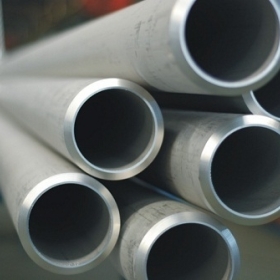
Stainless steel is a widely used metal material in various industries, including construction, chemical, medical, and industrial applications, due to its corrosion resistance, high-temperature tolerance, and aesthetic appeal. Among the many types of stainless steel, 304 and 316 are the most common. But what are the differences between these two types, and how do you choose the right one for your specific application? This article provides a detailed analysis of the key differences between 304 and 316 stainless steel, covering chemical composition, corrosion resistance, strength, magnetism, and cost, helping engineers, procurement managers, and project professionals make informed decisions.
Sunjin Metals Vina (SJM Vina) is a trusted supplier of stainless steel pipes, flanges, and fittings sourced from South Korea and other countries, ensuring compliance with international standards.
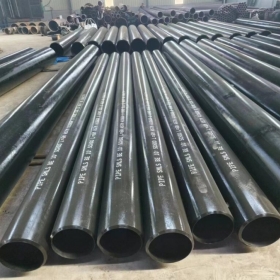
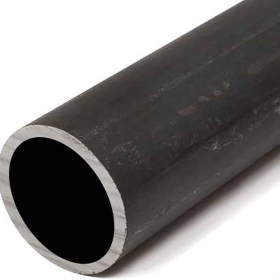
In the steel pipe industry, ASTM A53 and ASTM A106 are two critical standards for carbon steel pipes, particularly those used in demanding applications. While both standards share some similarities, they differ significantly in terms of intended applications, manufacturing processes, and chemical composition. This article provides a detailed analysis of the key differences between ASTM A53 and ASTM A106 steel pipes, assisting engineers, procurement managers, and project professionals in making informed material choices.
Sunjin Metals Vina (SJM Vina) is a trusted supplier of steel pipes, flanges, and fittings sourced from South Korea and other countries, ensuring compliance with international standards.