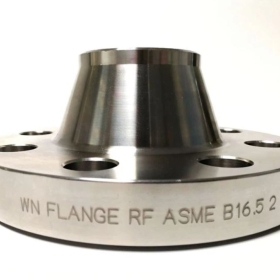
In the realm of industrial piping, flanges are essential components for connecting pipes, valves, pumps, and other equipment. To ensure safety, reliability, and compatibility, flanges must adhere to established standards. One of the most widely adopted standards is ASME B16.5, which governs the dimensions, materials, and pressure-temperature ratings for flanges up to 24 inches in nominal size.
A critical aspect of the ASME B16.5 standard is the concept of flange classes, which define the pressure and temperature capabilities of a flange. Understanding these flange classes is vital for designing, specifying, or procuring flanges for industrial applications.
This article explains what ASME B16.5 flange classes are, their impact on performance, and how to select the appropriate class for your system. Whether you operate in oil and gas, petrochemicals, water treatment, or construction, this guide will assist you in making informed flange selection decisions.
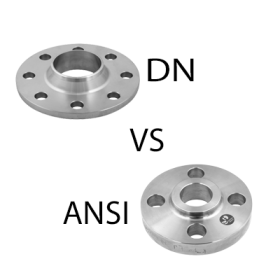
Flanges play a critical role in pipeline systems, serving as the connection point for pipes, valves, and fittings. Around the world, different standards are applied depending on the region, with DIN and ANSI being the two most widely used. Understanding the differences between these standards is essential for ensuring compatibility, safety, and efficiency in industrial projects.
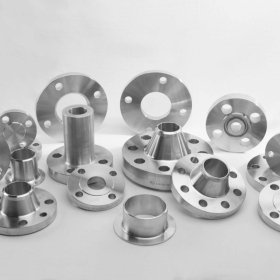
In industrial piping systems, flanges are essential components that connect steel pipes, valves, pumps, and other equipment with secure and leak-proof joints. Flanges not only ensure pressure and temperature resistance but also allow convenient assembly, disassembly, inspection, and maintenance.
Among various flange standards, ANSI flanges are widely used across the globe due to their consistency, safety, and reliability. Developed by the American National Standards Institute (ANSI), the most recognized reference is ANSI B16.5, which specifies dimensions, tolerances, materials, and pressure ratings for flanges ranging from ½ inch to 24 inches.
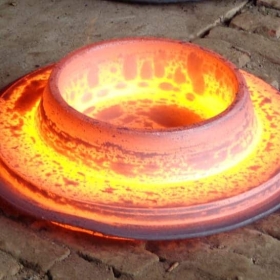
The oil and gas industry is one of the most demanding sectors worldwide, where materials and components must withstand extreme pressure, high temperatures, and highly corrosive environments. Among the critical components used in pipeline systems, refineries, offshore rigs, and petrochemical plants, forged flanges play a vital role in ensuring strong, safe, and leak-free connections.
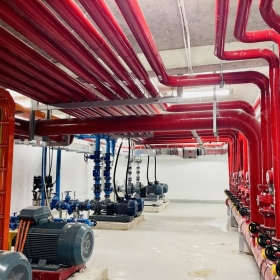
In firefighting systems, water pipelines act as the lifeline, ensuring water is delivered promptly and effectively to extinguish fires. The quality and standards of steel pipes used in these systems are critical to the safe, stable, and long-term performance of the entire facility.
In Vietnam, as well as globally, firefighting pipe standards are strictly regulated to ensure the products meet durability, pressure resistance, and safety requirements in harsh conditions.
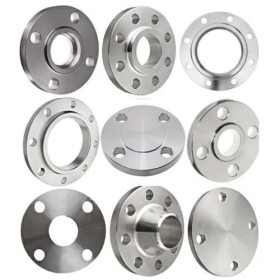
European flange standards (BS EN/DIN EN 1092) are widely applied in industrial machinery, pipelines, and pressure systems across Europe and other regions. These standards provide detailed specifications on dimensions, tolerances, materials, and pressure ratings, ensuring safety, compatibility, and durability of flange connections.
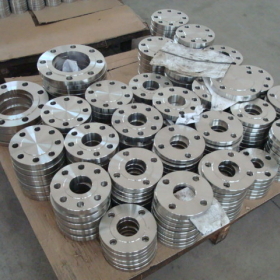
American flange standards, issued by ASME/ANSI (American Society of Mechanical Engineers / American National Standards Institute), are widely recognized and applied in global industries such as oil & gas, petrochemicals, power generation, and heavy industry. These standards provide detailed specifications for pressure ratings, materials, dimensions, and flange types, ensuring safety and compatibility across critical piping systems.
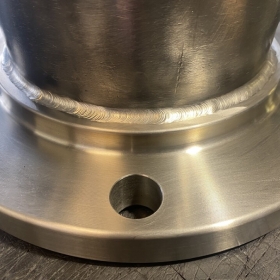
In industrial piping systems, stainless steel flanges are indispensable components, commonly connected to steel pipes or other equipment through welding. However, if the welding process is not performed with proper techniques, weld cracks may occur, directly affecting mechanical strength, sealing capability, and the service life of the system.
So, what causes stainless steel flanges to crack during welding, and what are the solutions? In this article, Sunjin Metals Vina (SJM Vina) provides a detailed technical analysis.