Pipelines serve as the indispensable backbone of the oil and gas industry, ensuring the secure and continuous transport of vital fluids. From crude oil and natural gas to refined petroleum products, robust piping infrastructure facilitates the movement of energy essentials from extraction sites to refineries and ultimately to the global market. At Sunjin Metals Vina (SJM Vina), we understand that selecting the appropriate pipe material is critical to project integrity. SJM Vina specializes in importing high-grade steel pipes, flanges, and fittings from South Korea, Japan, and other leading industrial nations to provide optimized solutions for your infrastructure needs.
1. Stainless Steel Pipes
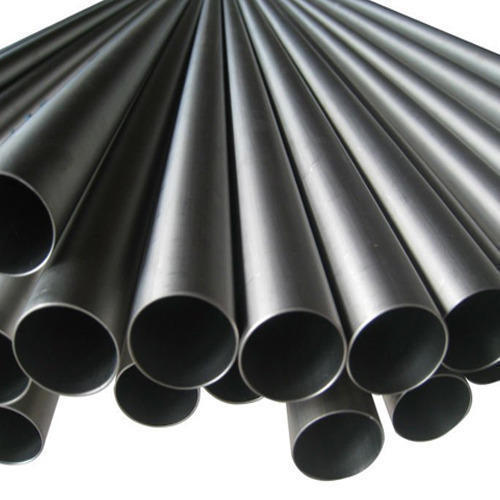
Stainless steel pipes are highly valued for their exceptional corrosion resistance. Available in various grades such as 304, 310, 316, and 410, they cater to diverse operational environments. Grade 316, in particular, is ideal for high-temperature and high-pressure applications due to its enhanced resistivity, making it a staple in petroleum and water transport industries.

2. Carbon Steel Pipes
Renowned for their impressive durability and tensile strength, carbon steel pipes are perfect for transporting oil and gas within refineries or to distribution endpoints. Depending on the carbon content—ranging from low to high—these pipes offer varying degrees of flexibility and hardness, allowing engineers to select the ideal specification based on the mechanical stress the system will endure.
3. Nickel Alloy Pipes
For operations involving extreme temperatures and highly corrosive chemical environments, nickel alloy pipes are the premier choice. Variants such as Inconel, Hastelloy, and Monel offer superior heat resistance and structural stability, making them essential for the most demanding offshore and onshore environments.

4. Duplex Pipes
Duplex pipes represent a specialized class of stainless steel that combines the benefits of both austenitic and ferritic structures. Grades like Duplex 2205 and Super Duplex 2507 are frequently utilized in chemical-laden environments due to their high mechanical strength and outstanding resistance to stress corrosion cracking.

5. PVC Pipes
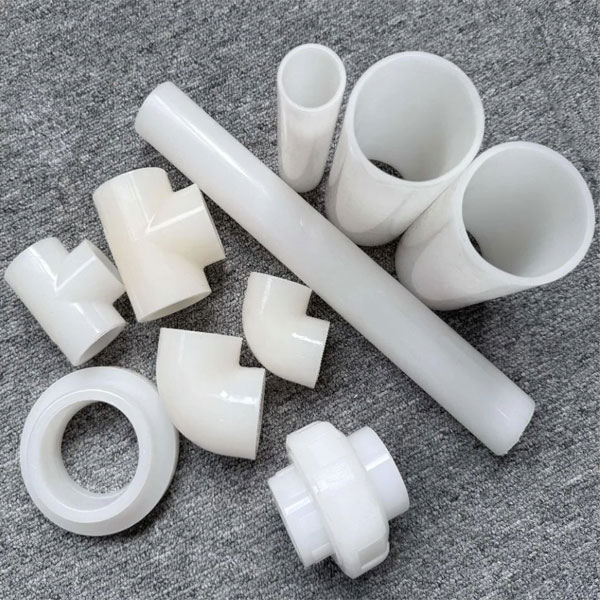
Lightweight, cost-effective, and easy to install, PVC pipes are commonly employed in low-pressure oil and gas scenarios. They provide excellent corrosion resistance and are often the preferred choice for saltwater disposal, chemical handling, and water flooding operations.

6. HDPE Pipes
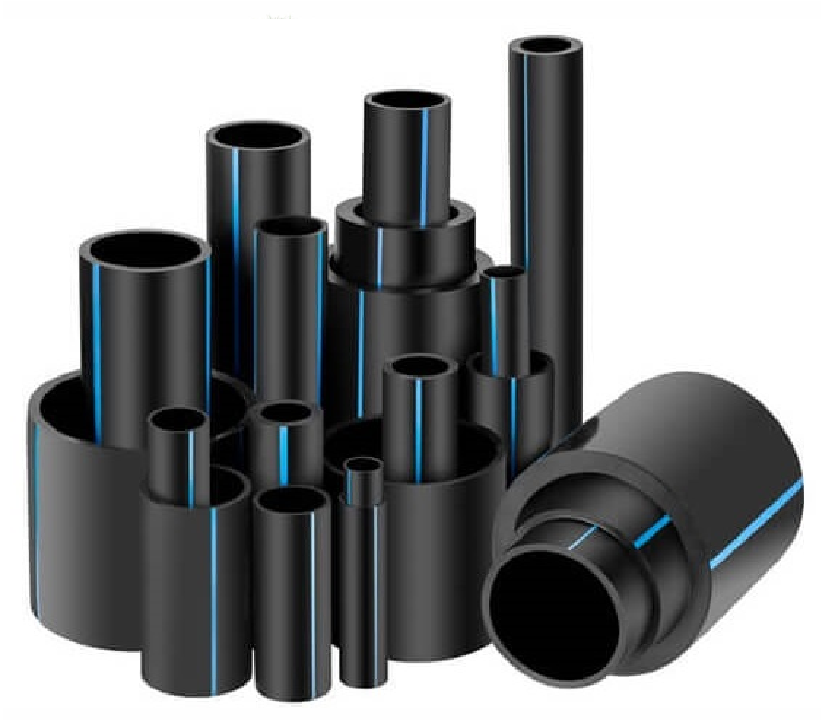
High-Density Polyethylene (HDPE) pipes offer exceptional resistance to rugged terrain, chemicals, and environmental stress. Their lightweight nature and high ductility make them particularly advantageous for cross-country natural gas pipelines, especially in areas prone to seismic activity.
7. Fiberglass Pipes
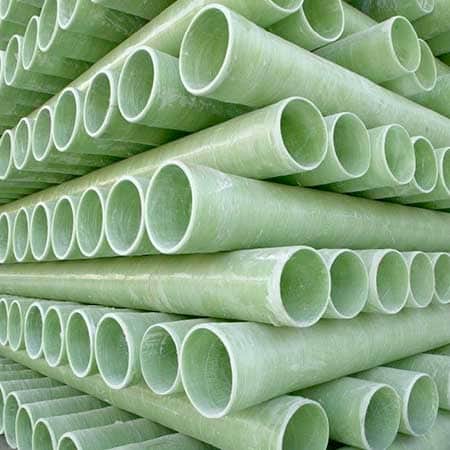
Known for their strength and flexibility, fiberglass pipes are extensively used in oil field tubulars and well casings. Their resistance to corrosion and low maintenance requirements make them an efficient and long-lasting alternative to metallic piping in specific well-site applications.
8. Copper Pipes
Copper pipes are primarily used for handling gases like propane and natural gas where a tight, leak-proof seal is mandatory. Their natural corrosion resistance and ability to withstand heat make them a reliable fit for specialized gas distribution systems.

9. PVDF Pipes (Polyvinylidene Fluoride)
PVDF pipes are ideal for high-purity applications within the energy sector. They exhibit remarkable resistance to most minerals and aqueous solutions while offering high abrasion resistance and mechanical strength, ensuring the integrity of pure fluid transmission.
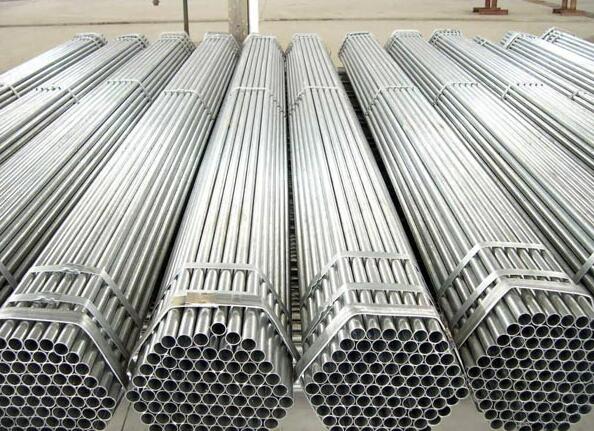
10. Galvanized Pipes
Galvanized pipes feature a protective zinc coating that prevents oxidation and rust. While they were once the industry standard for natural gas transportation, they remain effective today for fluid transport in environments where cost-efficiency and basic rust prevention are required.
Comparative Summary of Pipe Types and Properties
| Pipe Type | Primary Material | Common Applications | Key Advantages |
| Stainless Steel | Steel with Chromium | Water & Petroleum Transport | Superior Corrosion Resistance |
| Carbon Steel | Steel with Carbon | Refinery Transport | Durable and Flexible |
| Nickel Alloy | Nickel & Chromium | Extreme Environments | High Heat & Chemical Resistance |
| Duplex | Austenitic-Ferritic Steel | Chemical-Laden Settings | High Strength & Resilience |
| PVC | Vinyl Polymer | Saltwater & Chemical Handling | Lightweight & Cost-Effective |
| HDPE | Polyethylene | Cross-Country Pipelines | Ductile & Seismic Resistant |
| Fiberglass | Reinforced Polymer | Well Casing & Tubulars | Lightweight & Low Maintenance |
| Copper | Copper | Gas Handling (Propane) | Tight Sealing & Heat Resistant |
| PVDF | Fluoropolymer | High Purity Applications | Abrasion & Chemical Resistance |
| Galvanized | Zinc Coated Steel | Fluid & Gas Transport | Effective Rust Prevention |
Conclusion
The material and construction of a pipeline are the most significant factors affecting its performance and safety. While stainless steel and carbon steel pipes are the standard for high-pressure situations, materials like PVC and HDPE offer specialized advantages for lower pressure and specific environmental conditions. Sunjin Metals Vina (SJM Vina) is proud to be a leading importer steel piping materials, offering top-tier products from Japan and South Korea.
For professional consultation or to request a quote for steel pipes, flanges, and fittings, please contact us:
Sunjin Metals Vina (SJM Vina)
-
Hotline: +84 33 4233 127
-
Email: sjmvina@sunjinmetal.com
-
Website: www.sjmvina.com.vn
Số lần xem: 2216
As Vietnam emerges as the new industrial hub of the region, numerous mega-projects in petrochemicals, energy, liquefied natural gas (LNG), and high-tech manufacturing complexes are continuously being deployed. The commonality among these key projects is their strict requirements for technical specifications, safety, and the operational lifespan of industrial piping systems. In recent years, the trend of shifting towards and prioritizing imported piping materials from South Korea and Japan has become an inevitable standard. This article will deeply analyze this market trend and introduce optimal material supply solutions from a leading South Korean FDI enterprise.
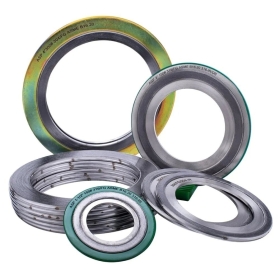
In industrial piping systems, particularly within the oil and gas sector, gaskets play a critical role in ensuring absolute leak-proof seals at the junctions of flanges, valves, and equipment. Oil and gas operations constantly endure extreme pressures and volatile temperature fluctuations. A minor leak at a gasket joint can cause severe operational disruptions, environmental hazards, and catastrophic safety risks. At Sunjin Metals Vina (SJM Vina), we specialize in importing premium piping components, including steel pipes, flanges, and high-spec fittings from South Korea, Japan, and other global leaders, providing fully integrated and reliable sealing solutions for your projects.
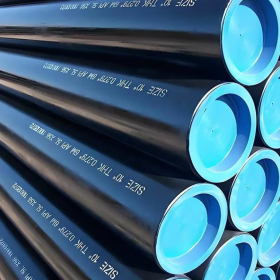
In the oil and gas industry, operational safety, efficiency, and material durability are always paramount. Piping systems serve as the vital arteries responsible for transporting fluids under extreme pressures, harsh temperatures, and highly corrosive environments. To ensure global consistency and safety, the American Petroleum Institute has established the API standards system. Pipes certified under API require rigorous manufacturing and testing processes. At Sunjin Metals Vina (SJM Vina), we specialize in directly importing API-standard steel pipes, flanges, and fittings from reputable markets like South Korea and Japan, perfectly meeting the strict technical demands of upstream, midstream, and downstream energy operations.
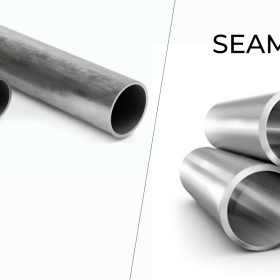
In the piping industry, selecting the appropriate manufacturing method is a decisive factor for both the safety and economic efficiency of a project. The two most prominent manufacturing techniques today are Seamless and Electric Resistance Welded (ERW) pipes. While they share similar shapes and functions, the differences in strength, cost, and application range are significant. At Sunjin Metals Vina (SJM Vina), we specialize in importing international-standard steel pipes from South Korea, Japan, and other leading nations, providing optimal material solutions tailored to our customers' specific technical requirements.
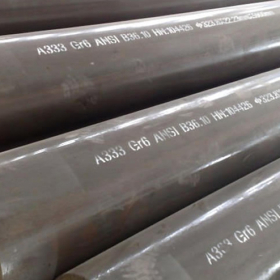
In industrial operations within harsh environments, selecting materials capable of resisting physical property changes due to temperature is a prerequisite for ensuring safety. Low-temperature seamless steel pipes are specifically engineered to maintain ductility and prevent brittle fracture when in contact with fluids at sub-zero temperatures. At Sunjin Metals Vina (SJM Vina), we specialize in importing heat-resistant seamless pipes, flanges, and fittings from South Korea, Japan, and leading metallurgical nations, providing durable material solutions for key industrial projects.
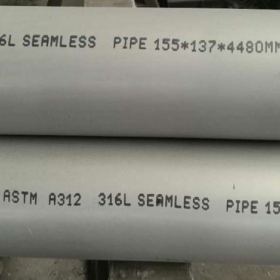
In the industrial metal supply sector, 316L stainless steel is among the most preferred grades due to its exceptional corrosion resistance. However, when examining technical specifications, users often encounter two designations: TP316L and 316L. While both are low-carbon variants of the popular 316 grade, subtle yet critical differences exist between them that directly impact operational performance in real-world applications. At Sunjin Metals Vina (SJM Vina), we specialize in importing stainless steel pipes, flanges, and fittings from South Korea and Japan, helping our clients understand material nuances to make the most accurate choice.
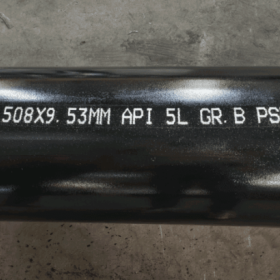
API 5L Grade B steel pipe is one of the most widely used materials in the oil and gas industry, prized for its perfect balance of strength and workability. One of the most critical factors when selecting steel pipes for any project is understanding the pressure rating. This rating is not a fixed value but varies based on wall thickness, diameter, and the manufacturing process. At Sunjin Metals Vina (SJM Vina), we specialize in importing and supplying high-quality API 5L Grade B pipes from South Korea, Japan, and other reputable nations, ensuring compliance with the most rigorous technical standards for our clients' operational systems.
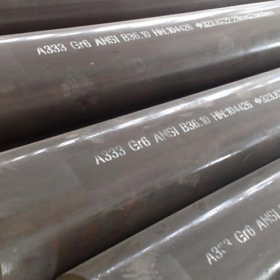
In the piping industry, selecting the correct material standard is a critical factor that determines the safety and longevity of a system. Among the most common standards today, A106 and A333 are two specifications that frequently cause confusion for users. Although both are industrial steel pipes, they possess entirely different chemical and mechanical properties. Sunjin Metals Vina (SJM Vina), a specialist in importing steel pipes and fittings from South Korea and Japan, shares the following in-depth insights to help you distinguish between these two materials.
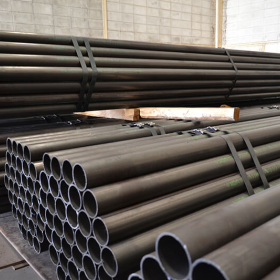
In the field of civil and industrial engineering, SGP steel pipe is one of the most widely used materials due to its versatility and reliability in low-pressure fluid conveyance. At Sunjin Metals Vina (SJM Vina), we provide a comprehensive range of SGP steel pipes imported directly from Japan, South Korea, and other reputable markets, ensuring superior quality for every project.
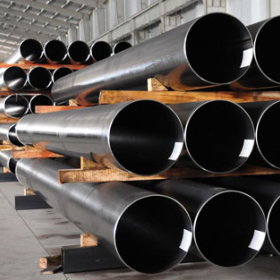
In the oil, gas, and energy transportation industries, selecting the right piping is a decisive factor for both operational efficiency and project safety. API 5L steel pipes are the industry standard, recognized for their superior load-bearing capacity and durability in extreme environments. At Sunjin Metals Vina (SJM Vina), we specialize in importing and distributing high-quality API 5L pipes from South Korea, Japan, and other leading manufacturing nations, meeting the most rigorous technical demands of our clients.
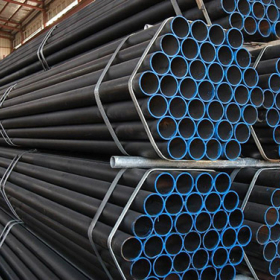
ASTM A105 is the standard specification for forged carbon steel components developed by the American Society for Testing and Materials (ASTM). This material is designed exclusively for the manufacture of piping system components such as flanges, valves, and high-pressure fittings.

In industrial piping systems, flanges play a critical role by securely connecting pipes, valves, pumps, and other equipment. They ensure tight sealing, mechanical stability, and easy disassembly for maintenance.
To guarantee proper identification and compliance with international standards, every flange is marked with detailed information, including standard, pressure rating, material, and manufacturing data. These markings are not just identification codes – they are essential for quality control, traceability, and system safety.
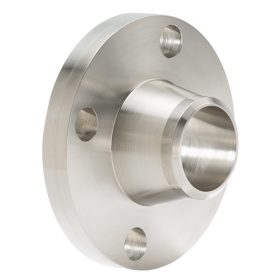
In modern hydraulic systems, where fluids are transmitted under extreme pressure, every component plays a vital role in ensuring overall performance and safety. Among these components, steel flanges are indispensable. They are used to connect pipes, valves, pumps, and other equipment, creating a secure and leak-proof joint that withstands both high pressure and temperature.
Today, Korean steel flanges have gained strong recognition in the industrial market thanks to their superior quality, durability, and compliance with strict international standards. Their exceptional ability to endure high pressure makes them an ideal solution for hydraulic systems and other demanding industrial applications.

In industries operating in marine and coastal environments, the durability and resistance of materials to corrosion are critical factors in ensuring safety and long-term performance. Among the most essential components in pipeline systems for marine applications are steel flanges, which connect pipes, valves, and fittings. For environments exposed to seawater, Korean steel flanges have proven to be an optimal solution due to their superior quality, corrosion resistance, and compliance with international standards.

In modern industries, pipeline systems are required to operate under increasingly complex and demanding conditions. From oil and gas, petrochemicals, power plants, to marine engineering, the performance and safety of pipeline connections play a critical role in ensuring stability and minimizing risks. Among the essential components of these systems, Korean steel flanges stand out for their superior leak-proof properties in high-pressure environments, helping businesses optimize operations while ensuring compliance with safety standards.